How Neighborhood Design Shapes Home Values Inside Reunion Resort
Not all homes inside Reunion Resort are valued the same, even when they share similar square footage or amenities.
One of the biggest factors influencing pricing, demand, and long‑term value inside Reunion Resort is neighborhood design. From street layouts to views, density, and access to amenities, how each neighborhood was planned plays a major role in how buyers perceive and price homes.
Understanding these design differences helps buyers make smarter decisions and explains why some Reunion Resort homes consistently outperform others.
Reunion Resort Was Designed as a Collection of Neighborhoods
Unlike traditional subdivisions, Reunion Resort was built as a master‑planned community made up of many distinct neighborhoods, each with its own purpose.
Some areas were designed for:
- Vacation rental optimization
- Golf‑front living and views
- Full‑time or second‑home ownership
- Luxury estate homes with privacy
This mix creates variation in pricing, buyer demand, and resale potential that goes beyond bedroom count or interior finishes.
Street Layout and Density Matter More Than Buyers Realize
Neighborhoods with lower density, wider streets, and fewer homes per block tend to command higher prices. These areas feel quieter, more residential, and more private.
In contrast, neighborhoods designed with tighter lot spacing and higher density often appeal to vacation rental buyers. While these homes can perform well as rentals, they may carry different pricing dynamics than neighborhoods designed for long‑term living.
Buyers often feel this difference instinctively, even if they can’t immediately explain it.
Views Drive Value Across Reunion Resort
Neighborhood design determines what a home looks out onto, and views matter.
Homes positioned along:
- Golf fairways
- Water features
- Conservation areas
generally carry stronger pricing and broader buyer appeal than homes facing interior streets or high‑traffic areas.
This is why layout and orientation during the planning phase can affect value long after a home is built.
Proximity to Amenities Influences Buyer Profiles
Some Reunion Resort neighborhoods were intentionally built closer to:
- Golf clubhouses
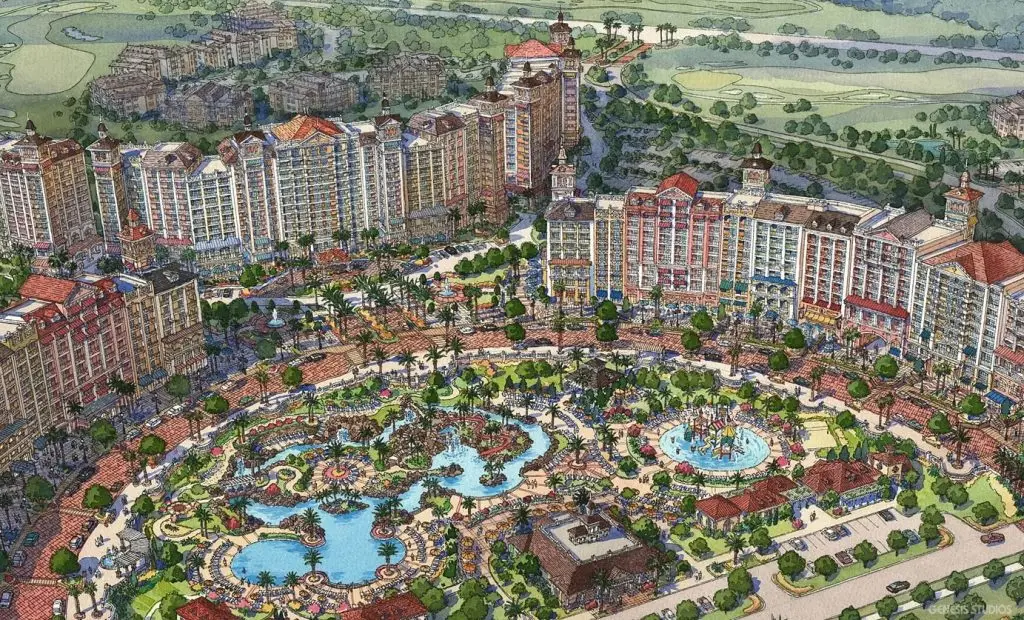
- The water park
- Fitness centers and dining
- Resort gathering areas
Homes in these locations tend to attract buyers who prioritize convenience and activity.
Other neighborhoods were designed further off the main paths, offering a quieter setting that appeals to buyers focused on privacy, views, or a more residential feel.
Neither is better. They simply attract different buyers at different price points.
Architectural Consistency Builds Long‑Term Appeal
Neighborhoods with cohesive architectural styles tend to feel more curated and intentional over time.
Consistent design themes, controlled setbacks, and thoughtful landscaping contribute to a sense of prestige and stability. This visual cohesion plays a subtle but important role in long‑term desirability and resale confidence.
Buyers often associate design consistency with higher quality, even when homes differ internally.
Why Some Neighborhoods Hold Value Better Than Others
When you zoom out, the neighborhoods that tend to hold value best inside Reunion Resort usually share a few design traits:
- Controlled density
- Strong views or orientations
- Clear lifestyle identity
- Limited future disruption
These characteristics help insulate values during market shifts and keep demand strong even when inventory increases elsewhere.
What This Means for Buyers Today
Buying inside Reunion Resort isn’t just about choosing a home. It’s about choosing a setting.
Two homes with similar specs can have very different performance over time depending on where they sit within the resort and how that neighborhood functions day to day.
Understanding neighborhood design helps buyers align their purchase with their goals, whether that’s lifestyle, rental performance, or long‑term value.
Resort Design Is Part of the Investment
Reunion Resort’s strength comes from its layered design. Each neighborhood adds a different dimension to the community, creating options rather than uniformity.
For buyers who take the time to understand how these neighborhoods were planned, design becomes less of a background detail and more of a strategic advantage.